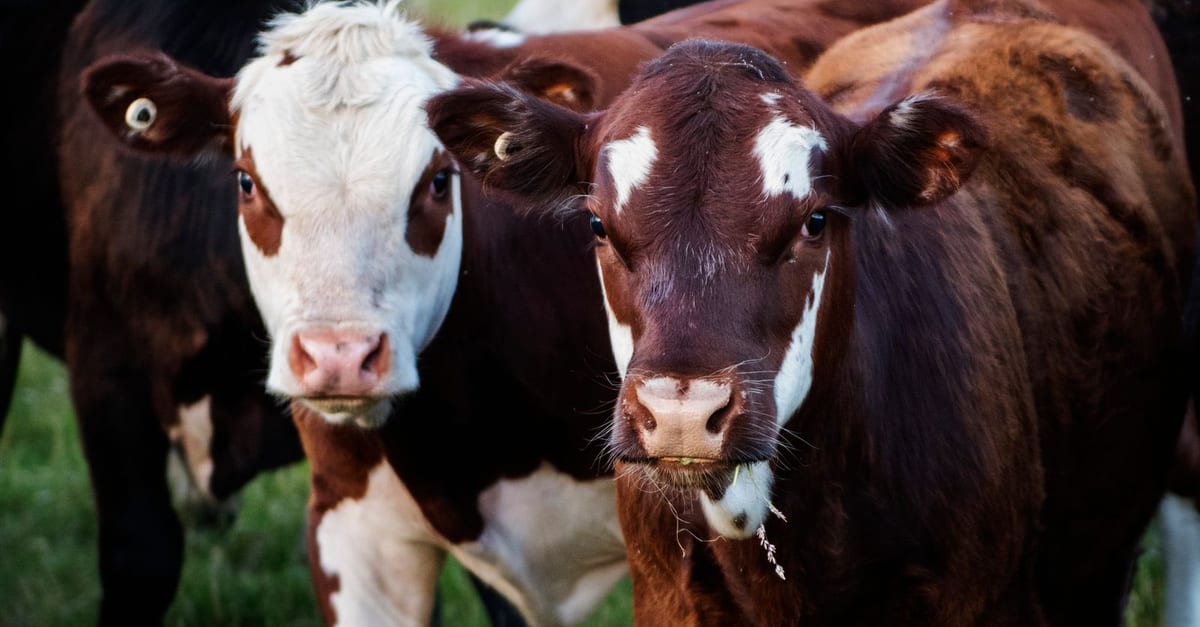
A plain-English awareness course for anyone who works around cattle, horses and sheep. Learn why agriculture has the highest work fatality rate of any Australian industry and where animals sit in that picture; how stock actually see and think, field of vision, blind area, pressure, flight and fight zones and the two points of balance; the animals and the moments that hurt people most, from bulls and cows with calves to drafting and loading; how yard, race and ramp design keeps you out of reach; and how working dogs, vehicles and low-stress handling fit together. This is awareness only. It is not a stock-handling qualification and it gives no veterinary or husbandry instruction.
~50 minutes100% online, self-paced6 months access from the day of course start
What You Will Learn
Describe where livestock sits in Australia's farm death and injury picture, and explain what this awareness course does and does not qualify you to do
Explain how cattle see and think: field of vision, blind area, herd instinct, and the pressure, flight and fight zones, and how the two points of balance decide which way an animal goes
Recognise the high-risk animals and moments: bulls, cows with calves, mixed and isolated stock, drafting, loading and unloading, and the first half hour after stock come off a truck
Identify how yard, race, gate and ramp design separates people from animals, and name the places a person should never be
Apply the everyday rules that keep handlers alive, plan an escape route, never reach through the rails, use dogs and vehicles appropriately, and stop and ask when a job is beyond you
Course Content
1. Why livestock is on the list of things that kill people
2. How stock see and think
3. The animals and the moments
4. Yards, races and ramps: design that keeps you out of reach
5. Dogs, vehicles, people and the plan
6. Apply it: a day in the yards
Final Assessment - 10 questions, 80% pass mark, retakes available
Who This Course Is For
Farm workers and farm managers, saleyard and feedlot staff, livestock transport drivers and loaders, agricultural contractors and livestock agents, seasonal and new starters and anyone who goes into a yard, race or paddock where cattle, horses, sheep or pigs are being handled.
Accreditation: This is a non-accredited awareness course only. It is not a nationally recognised qualification, not an RTO Statement of Attainment and not a licence or ticket of any kind. In particular it is not a stock-handling or stockmanship qualification. It does not replace hands-on, supervised low-stress stockhandling instruction (courses such as Low Stress Stockhandling or Stress Free Stockmanship), an accredited agriculture qualification delivered by a Registered Training Organisation or your employer verifying on the job that you can safely work a particular mob in a particular set of yards. It contains no veterinary or husbandry instruction: nothing here tells you how to drench, dose, vaccinate, dehorn, castrate, pregnancy test or treat an animal and you must not attempt those tasks on the strength of this course, seek a veterinarian, an animal health authority or your employer's trained handlers. Where a task requires formal training, a licence or a vet, this course complements it and never replaces it. Always follow the current requirements of your work health and safety regulator, your animal welfare laws and the property's own rules.
Suggested next course
Agricultural Chemical Handling Awareness
$49 per person
$49.00
Prices are in Australian dollars and include GST.
Duration
~50 minutes
Format
100% online, self-paced
Lessons
6
Assessment
10 questions (80% to pass)
Certificate
Instant, verifiable
Access period
6 months access from the day of course start
Who it’s for
Farm workers and farm managers, saleyard and feedlot staff, livestock transport drivers and loaders, agricultural contractors and livestock agents, seasonal and new starters and anyone who goes into a yard, race or paddock where cattle, horses, sheep or pigs are being handled.
Buying for a team? Set the quantity to the number of people. You’ll receive an enrolment code for each seat.