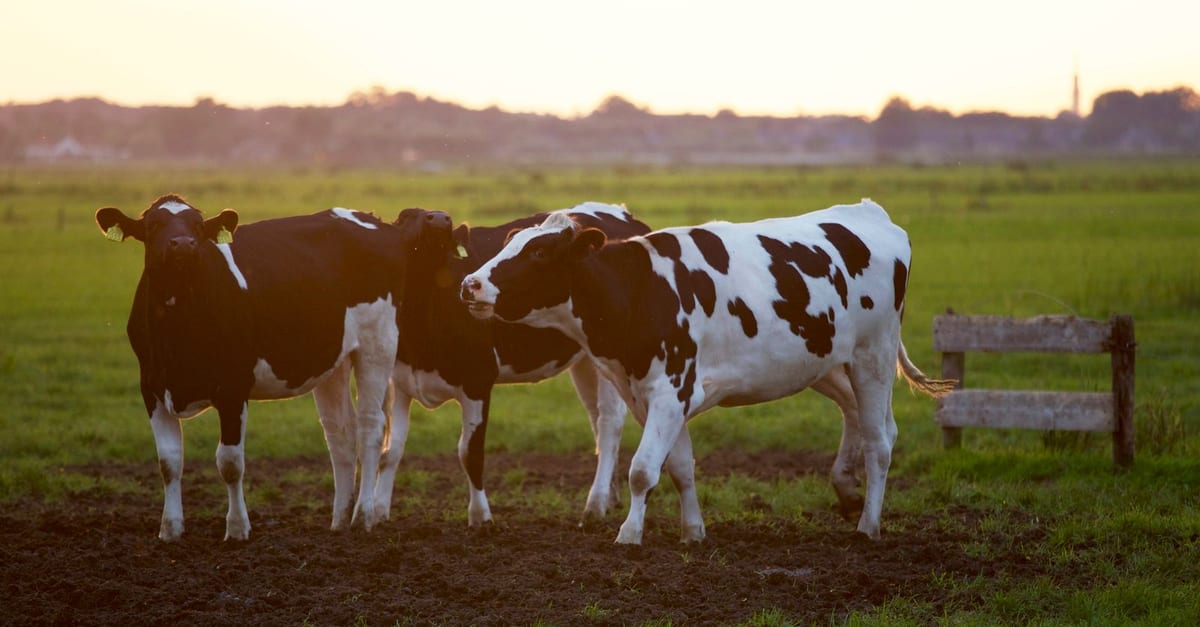
A plain-English introduction to biosecurity for anyone who works on, drives onto or visits a rural property. Learn what biosecurity actually means on a working farm, the general biosecurity duty or obligation the law places on you personally, how 'come clean, go clean' works for boots, clothing, vehicles and equipment, what a biosecurity sign at the gate is really telling you, the emergency animal and plant diseases Australia is guarding against and exactly who to call the moment you suspect one. This is awareness only. It is not veterinary or agronomic advice, and it does not diagnose or treat anything.
~50 minutes100% online, self-paced6 months access from the day of course start
What You Will Learn
Explain what biosecurity means on a working property and how pests, diseases, weeds and contaminants actually move onto and off a farm
Describe the general biosecurity duty or obligation that applies to you personally, and recognise that the wording and the Act differ between states and territories
Apply 'come clean, go clean' to your boots, clothing, vehicle and equipment before you arrive and before you leave
Follow the property's access rules: biosecurity signage, sign-in, designated parking and the manager's directions
Recognise the kinds of signs that could mean an emergency animal disease or exotic plant pest, and report a suspicion immediately rather than investigating it yourself
State who to call: the Emergency Animal Disease Hotline, the Exotic Plant Pest Hotline, or your state or territory agency
Course Content
1. What biosecurity means on a working property
2. The duty the law puts on you personally
3. Come clean, go clean
4. Visitors, vehicles and getting onto a property
5. Emergency diseases, exotic pests and who to call
6. Apply it: a contractor's day on two properties
Final Assessment - 10 questions, 80% pass mark, retakes available
Who This Course Is For
Farm and station workers, contractors and tradespeople, agronomists and advisers, livestock and grain transport operators, service technicians, meter readers, surveyors, real estate and finance visitors and anyone else who steps through a farm gate. Also useful for managers who need their people and their visitors to understand the duty before they arrive.
Accreditation: This is a non-accredited awareness course. It is not a nationally recognised qualification, not an RTO Statement of Attainment and not a licence, permit or accreditation of any kind. It does not sit in place of the accredited training that some rural roles require, for example the nationally recognised units AHCBIO204 'Follow site biosecurity procedures', AHCBIO301 'Identify and report signs of unusual disease or pest' and AHCBIO303 'Apply biosecurity measures', which are delivered through a Registered Training Organisation or of the accreditation and authorisations required to be an inspector, an approved veterinarian, a licensed chemical user or an accredited certifier under a biosecurity or quality assurance scheme. This course does not replace any of those, and completing it does not authorise you to perform work that requires them. It is also not veterinary or agronomic advice: nothing here diagnoses a disease or a pest, and nothing here tells you how to treat, medicate or spray for one. If you suspect a disease or an exotic pest, your job is to stop, report it and let a veterinarian, an agronomist or the responsible government agency take it from there. Your legal biosecurity duty is set by the Act that applies where you are, and by the property's own rules. Always check both.
Suggested next course
Agricultural Chemical Handling Awareness
$49 per person
$49.00
Prices are in Australian dollars and include GST.
Duration
~50 minutes
Format
100% online, self-paced
Lessons
6
Assessment
10 questions (80% to pass)
Certificate
Instant, verifiable
Access period
6 months access from the day of course start
Who it’s for
Farm and station workers, contractors and tradespeople, agronomists and advisers, livestock and grain transport operators, service technicians, meter readers, surveyors, real estate and finance visitors and anyone else who steps through a farm gate. Also useful for managers who need their people and their visitors to understand the duty before they arrive.
Buying for a team? Set the quantity to the number of people. You’ll receive an enrolment code for each seat.