HomeAll CoursesChain of Responsibility (CoR) Awareness
Plant, Vehicles and Transport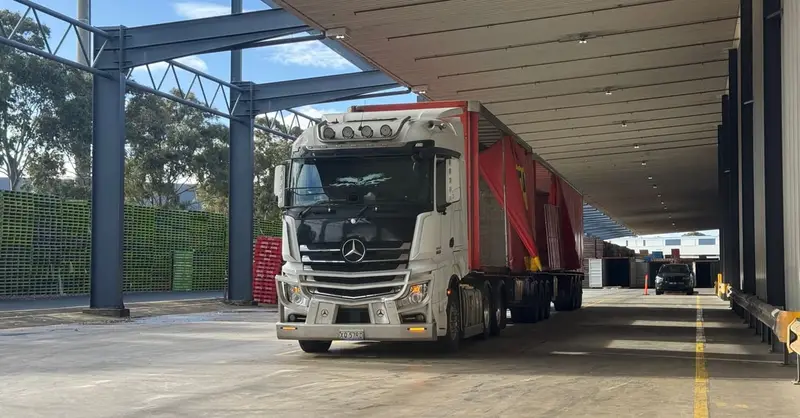
Chain of Responsibility (CoR) Awareness
A practical, visual introduction to chain of responsibility (CoR) under the Heavy Vehicle National Law. Learn who sits in the transport supply chain, the shared primary duty to manage fatigue, speed, mass, dimension and loading risks, why office-based and non-driving roles carry duties too and what regulators expect, as paced slides with diagrams, a real decision scenario and quick self-checks.
Also relevant for: Farm and Rural, Construction and Trades, Manufacturing and Industrial, Warehouse, Transport and Logistics
What You Will Learn
- Explain what chain of responsibility means under the Heavy Vehicle National Law and who administers it
- Identify the parties in the chain and how their duties are shared and cannot be transferred
- Describe the primary duty to ensure the safety of transport activities so far as is reasonably practicable
- Recognise how office-based and non-driving roles carry CoR duties, and what executive due diligence requires
- Outline how the risks of fatigue, speed, mass, dimension and loading are managed and enforced
Course Content
Final Assessment: 10 questions, 80% pass mark, retakes available
Who This Course Is For
Schedulers, consignors and consignees, packers, loaders, operators, managers and office staff whose work influences heavy vehicle transport tasks and anyone needing a solid grounding in CoR duties.
Sources and Legal References
This course is aligned to 12 official sources. Legal and regulatory references checked between 31 August 2026 and 12 September 2026.
Sources and Further Reading
This course draws on the following official sources. Always rely on the current version on the regulator’s website.
- LegislationHeavy Vehicle National Law Act 2012 (Qld)As at 31/08/2026
- LegislationHeavy Vehicle National Law (Qld)As at 31/08/2026
- LegislationHeavy Vehicle (Adoption of National Law) Act 2013 (NSW)As at 31/08/2026
- LegislationHeavy Vehicle National Law (NSW)As at 31/08/2026
- Regulator guidanceNational Heavy Vehicle Regulator, Heavy Vehicle National Law and RegulationsAs at 31/08/2026
- Regulator guidanceNational Heavy Vehicle Regulator, Chain of ResponsibilityAs at 31/08/2026
- Regulator guidanceNational Heavy Vehicle Regulator, The Primary DutyAs at 31/08/2026
- Regulator guidanceNational Heavy Vehicle Regulator, Executive duty and due diligenceAs at 31/08/2026
- Regulator guidanceSafe Work Australia, Managing Risks to Health and Safety at the WorkplaceAs at 31/08/2026
- Regulator guidanceNHVR, Work and rest hours (Standard hours, solo drivers)As at 12/09/2026
- LegislationHeavy Vehicle (Fatigue Management) National Regulation (NSW)As at 12/09/2026
- LegislationHeavy Vehicle (Fatigue Management) National Regulation (Qld)As at 12/09/2026
Always rely on the current version on the regulator’s website.
Accreditation: This is a non-accredited awareness course. It builds understanding of chain of responsibility duties under the Heavy Vehicle National Law but does not issue a unit of competency. It is not a substitute for the nationally accredited units TLIF0009 and TLIF0080, which are delivered separately by a registered training organisation (RTO), nor for any licence or accreditation your role or vehicle requires.
$49.00
inc GSTSeven day refund if you have not started
Or
For employers and teams
Buy Seats for Your Team
$49.00 per seat, inc GST
Total inc GST$245.00
Or
What You Get

Certificate of Completion
This is to certify that
Sample Learner
has successfully completed
Chain of Responsibility (CoR) Awareness
All learning modules and the final assessment
Scan the QR code, or enter certificate ID WP-SAMPLE-0001 at workproof.com.au/verify
Kam Askari
Director, Creative Directions Management Consulting Pty Ltd

This is a certificate of completion of a non-accredited professional development course. It is not a nationally recognised qualification, a VET statement of attainment, a competency card, a licence, or evidence of competency. It is issued by Creative Directions Management Consulting Pty Ltd, which is not a Registered Training Organisation.
Sample layout. Certificate ID WP-SAMPLE-0001 verifies as Hazardous Manual Tasks and Manual Handling Safety.
- Certificate verified by its ID
- 100% online, self-paced
- Six months of access
Bought for yourself: six months of access from the day you pay. Team seat: six months from the day the worker activates their code.
Level: Intermediate