HomeAll CoursesGas Cylinder and Compressed Gas Safety
Physical Hazards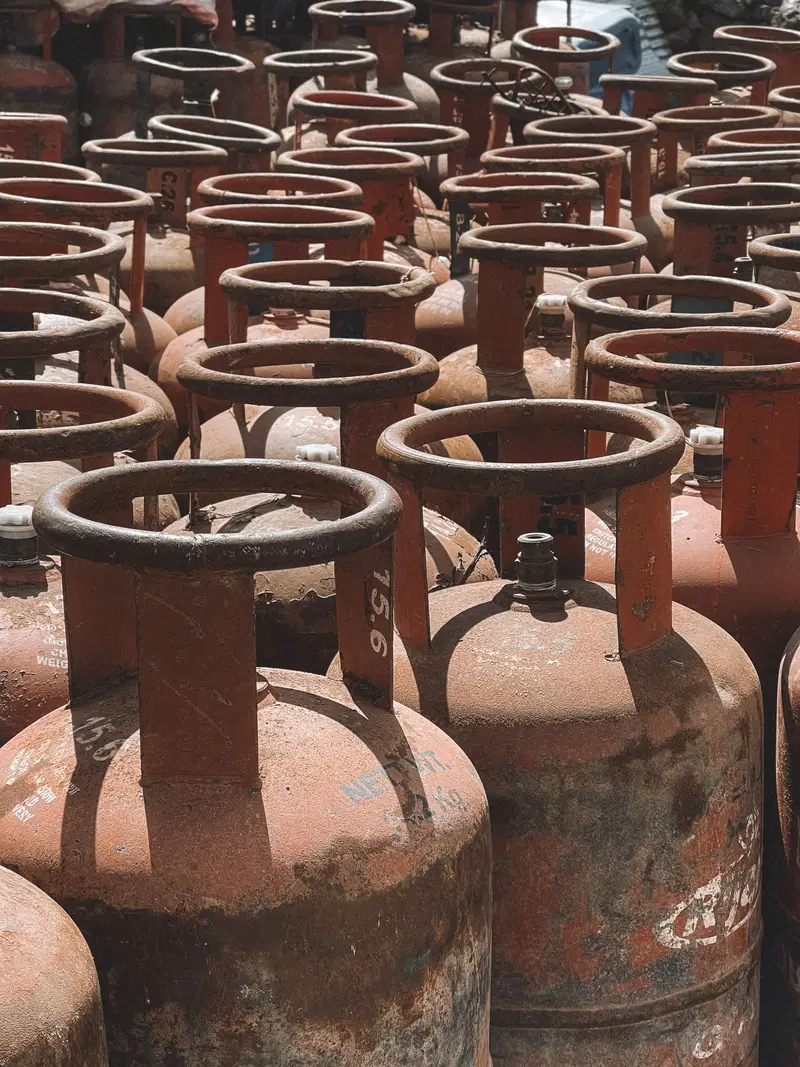
Gas Cylinder and Compressed Gas Safety
A practical, visual awareness course on working safely with compressed and LPG gas cylinders. Learn why cylinders are dangerous, how to handle, move, store, segregate and use them safely, how to respond to a leak and the dangerous goods and WHS hazardous chemicals duties that apply, as paced slides with diagrams, a real workshop decision scenario, quick self-checks and guidance aligned to AS 4332.
Also relevant for: Construction and Trades, Health Care, Aged Care and Community, Manufacturing and Industrial, Plumbing and Gas, Retail and Hospitality, Warehouse, Transport and Logistics
What You Will Learn
- Recognise the main hazards of compressed and LPG gas cylinders, including stored pressure and the gas hazard classes
- Handle, move and transport cylinders safely, keeping them upright and secured
- Store and segregate cylinders in line with AS 4332, keeping incompatible gases apart
- Use cylinders and gas equipment safely, including regulators, flashback arrestors and leak checks
- Respond correctly to a gas leak and outline dangerous goods and WHS hazardous chemicals duties
Course Content
Final Assessment: 10 questions, 80% pass mark, retakes available
Who This Course Is For
Workshop, hospitality, laboratory and site workers, plus supervisors and storepersons who handle, store, transport or use compressed or LPG gas cylinders.
Sources and Legal References
This course is aligned to 22 official sources. Legal and regulatory references checked between 31 August 2026 and 1 November 2026.
Sources and Further Reading
This course draws on the following official sources. Always rely on the current version on the regulator’s website.
- LegislationWork Health and Safety Act 2011 (Cth)As at 31/08/2026
- LegislationWork Health and Safety Act 2011 (NSW)As at 31/08/2026
- LegislationWork Health and Safety Act 2011 (Qld)As at 31/08/2026
- LegislationWork Health and Safety Act 2020 (WA)As at 31/08/2026
- LegislationWork Health and Safety Act 2012 (SA)As at 31/08/2026
- LegislationWork Health and Safety Act 2012 (Tas)As at 31/08/2026
- LegislationWork Health and Safety Act 2011 (ACT)As at 31/08/2026
- LegislationWork Health and Safety (National Uniform Legislation) Act 2011 (NT)As at 31/08/2026
- LegislationOccupational Health and Safety Act 2004 (Vic)As at 31/08/2026
- LegislationDangerous Goods Act 1985 (Vic)As at 31/08/2026
- LegislationDangerous Goods Safety Act 2004 (WA)As at 31/08/2026
- LegislationDangerous Goods (Storage and Handling) Regulations 2022 (Vic)As at 02/09/2026
- LegislationDangerous Goods Safety (Storage and Handling of Non-explosives) Regulations 2007 (WA)As at 02/09/2026
- Australian StandardAS 4332-2004 The storage and handling of gases in cylinders (Reconfirmed 2016)As at 02/09/2026
- LegislationWork Health and Safety Regulation 2011 (ACT)As at 31/10/2026
- LegislationWork Health and Safety Regulation 2025 (NSW)As at 01/11/2026
- LegislationWork Health and Safety (National Uniform Legislation) Regulations 2011 (NT)As at 31/10/2026
- LegislationWork Health and Safety Regulation 2011 (Qld)As at 31/10/2026
- LegislationWork Health and Safety Regulations 2012 (SA)As at 13/09/2026
- LegislationWork Health and Safety Regulations 2022 (Tas)As at 31/10/2026
- LegislationOccupational Health and Safety Regulations 2017 (Vic)As at 01/11/2026
- LegislationWork Health and Safety (General) Regulations 2022 (WA)As at 31/10/2026
Always rely on the current version on the regulator’s website.
Accreditation: This is a non-accredited awareness course. It gives general safety awareness only and does not certify you as competent. It is not a substitute for licensed gasfitting or LPG work, dangerous goods driver licensing for transporting gas or any accredited or high-risk work training required in your state or territory. Always follow your workplace procedures, the Safety Data Sheet, AS 4332 and your gas supplier's instructions.
$39.00
inc GSTSeven day refund if you have not started
Or
For employers and teams
Buy Seats for Your Team
$39.00 per seat, inc GST
Total inc GST$195.00
Or
What You Get

Certificate of Completion
This is to certify that
Sample Learner
has successfully completed
Gas Cylinder and Compressed Gas Safety
All learning modules and the final assessment
Scan the QR code, or enter certificate ID WP-SAMPLE-0001 at workproof.com.au/verify
Kam Askari
Director, Creative Directions Management Consulting Pty Ltd

This is a certificate of completion of a non-accredited professional development course. It is not a nationally recognised qualification, a VET statement of attainment, a competency card, a licence, or evidence of competency. It is issued by Creative Directions Management Consulting Pty Ltd, which is not a Registered Training Organisation.
Sample layout. Certificate ID WP-SAMPLE-0001 verifies as Hazardous Manual Tasks and Manual Handling Safety.
- Certificate verified by its ID
- 100% online, self-paced
- Six months of access
Bought for yourself: six months of access from the day you pay. Team seat: six months from the day the worker activates their code.
Level: Beginner